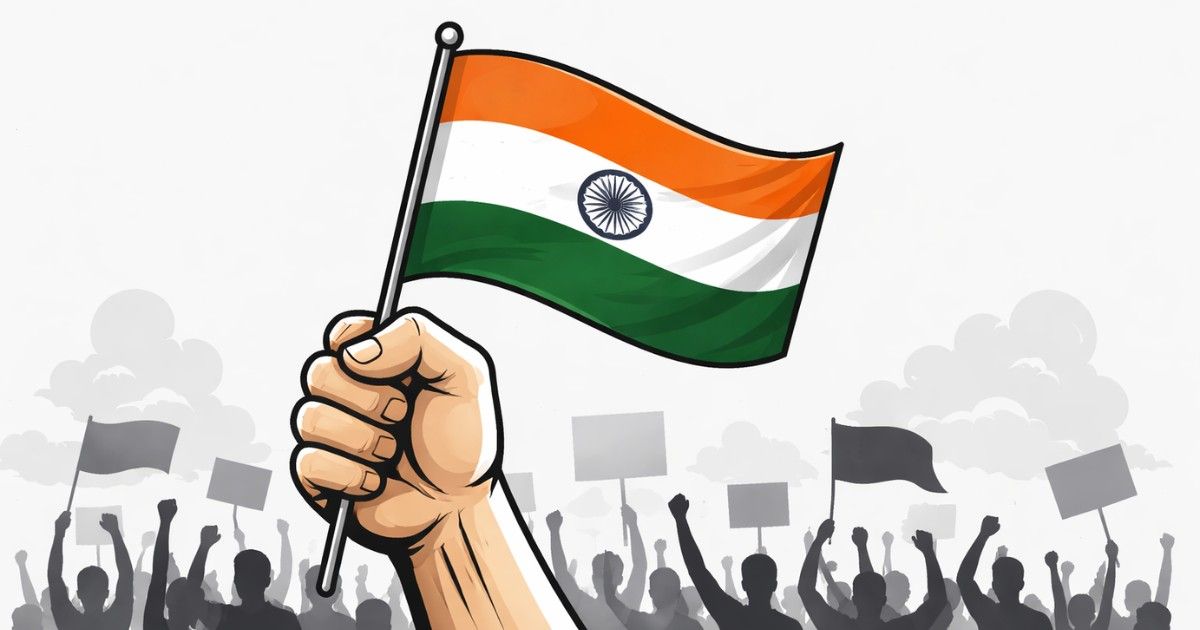
The Bharat Bandh 2026 is a nationwide strike taking place on 12 February 2026. Millions of workers and farmers are protesting against the recent labour codes, agricultural policies, and economic reforms they believe harm workers’ rights and rural communities.
Organisers estimate that nearly 30 crore workers are participating. This has created disruptions in public transport, banking services, government offices, and daily commercial activities. The strike is not legally binding but is expected to impact life in major Indian cities and towns.
Understanding Bharat Bandh 2026 state-wise impact is essential for commuters, businesses, and the general public.
The Bharat Bandh 2026 is not just a strike; it reflects the growing concerns of workers and farmers across India. Millions are taking to streets or staying off work to send a strong message to policymakers. Citizens are advised to follow verified updates on transport, banking, and public services to minimise inconvenience.
What Services Are Open During Bharat Bandh 2026
Even during the strike, some services continue to operate to reduce public hardship.
Essential Services
- Hospitals, clinics, and emergency medical care
- Ambulance, fire brigade, and police services
- Utilities such as electricity, water, and gas supply
Transportation and Travel
- Airports and flights are operational, though passengers may face delays reaching terminals due to local transport disruptions.
- Long-distance trains continue to run, but regional rail services may experience delays.
- Private transport and ride-hailing services in some areas are available, though limited.
Financial Services
- ATMs and digital banking services remain functional
- Private banks and financial institutions in non-unionized areas continue operations
Even during Bharat Bandh 2026, some businesses in the private sector continue operations, particularly those outside union influence. Employees working remotely or in IT and technology hubs report minimal disruption, showing that the strike’s effect varies significantly across sectors and regions.
What Services Are Closed or Disrupted
Several sectors are significantly affected by the Bharat Bandh 2026:
- Public sector banks and government offices in many states remain closed or operate with minimal staff
- Public transport including buses, taxis, and auto-rickshaws face heavy disruptions
- Markets and local shops in union-strong regions are closed
- Schools and colleges are either closed or have low attendance
- Some industrial sectors and manufacturing units experience partial or full shutdowns
Citizens should note that during Bharat Bandh 2026, closures are more prominent in government-run services and union-strong areas. Small shops in residential neighborhoods may remain open, but most commercial centers, banks, and public offices will experience limited operations or complete shutdowns.
Note: Closure patterns vary by state. Not all regions follow the bandh equally.
State-Wise Bharat Bandh 2026 Impact
Nationwide, Bharat Bandh 2026 is expected to affect more than 600 districts, with workers participating from major industries, transportation, and agriculture. Travel planning and early arrangement of essentials are recommended to avoid disruption caused by local strikes or protests.
Odisha: Near-Total Shutdown and Major Traffic Disruption
Odisha has seen significant closures and transport disruptions today. In urban centres like Bhubaneswar, Cuttack, and Rourkela, public buses and taxis have largely stayed off the roads. Protesters staged blockades on major highways, leading to severe congestion and travel delays. Banks, government offices, schools, and markets remained closed in many districts.
The situation in Odisha highlights how Bharat Bandh 2026 can create near-total shutdowns in urban centers, with citizens advised to avoid non-essential travel and use digital services whenever possible.
Kerala: Daily Life Comes to a Standstill
In Kerala, the Bharat Bandh 2026 brought life to a near standstill. Public transport services, including state-run buses, operated at skeletal levels or were suspended entirely in many regions. Shops and educational institutions stayed closed, and government offices saw reduced staff attendance. Emergency services continued to operate.
Even here, citizens using digital and private services found ways to carry on essential work, showing that the impact varies between urban and semi-urban districts.
Assam: Severe Urban and Semi-Urban Impact
Assam is experiencing widespread closures, with near-total shutdowns in many urban and semi-urban districts. Public transport services have been heavily restricted, shops remained closed, and local bus operations were limited or cancelled. Government offices have also reported lower staff presence.
The bandh demonstrates how Bharat Bandh 2026 participation can differ even within a single state depending on union strength.
West Bengal: Mixed Response With Noticeable Disruptions
West Bengal has seen varied impact across districts. Trade unions across the state have called for participation, leading to closures of markets, reduced transport services, and lower attendance in public offices in several areas. Some areas operate normally where union influence is limited.
The state provides an example of Bharat Bandh 2026 affecting urban and rural areas differently, highlighting localised responses to nationwide protest calls.
Jharkhand: Protests and Sector-Wise Impact
In Jharkhand, protest marches and demonstrations took place during the Bharat Bandh, with unions rallying against the new labour codes. Banking, insurance, and industrial workers participated in the strike, which led to closures in certain service sectors. Government and private services have varied attendance based on local participation.
Citizens and commuters should consider how Bharat Bandh 2026 may impact essential errands, travel, or work schedules in Jharkhand today.
Maharashtra: Localised Effects in Industrial Hubs
Parts of Maharashtra, such as the Nashik industrial belt, showed noticeable disruptions, with several factories and units shut as workers participated in the bandh. In other regions like Chhatrapati Sambhajinagar, daily life continued with comparatively normal activity despite some closures.
This highlights that Bharat Bandh 2026 can have a concentrated impact in industrial and trade-heavy areas.
Karnataka: Varied Response Across Regions
Karnataka experienced mixed effects. Transport services like buses and autos were disrupted in union-active districts, while in other areas, services operated with minimal interruption. Schools and offices in some parts chose to close early for safety concerns.
The varied response illustrates the state-wise differences in Bharat Bandh 2026 participation.
Punjab & Goa: Political Support Influencing Participation
Punjab’s ruling party extended support to the bandh, resulting in widespread participation and transport disruptions. Ports and essential services in certain areas slowed due to workforce shortages. Goa saw banking services affected, though essential services like healthcare continued normally.
Bharat Bandh 2026 in these states demonstrates the role political backing plays in influencing participation levels.
Rajasthan: Limited Impact and Normal Life
In Rajasthan, the bandh reported minimal disruption. Cities and towns indicated that daily life remained largely normal, with shops, schools, and commercial establishments open. The bandh impact was limited to small demonstrations in some towns.
This shows that Bharat Bandh 2026 does not affect all regions equally, emphasizing the importance of checking local advisories.
Traffic and Travel Advisory During Bharat Bandh 2026
Authorities across multiple states have issued travel advisories due to potential road blockades, protest marches, and transport disruptions. Commuters are advised to:
- Plan travel early and check local transport updates
- Expect delays on highways and major roads
- Verify bank branch availability before visiting
Despite disruptions, emergency services are prioritised to ensure public safety. Following advisories is critical during Bharat Bandh 2026.
Public and Political Reactions
The Bharat Bandh has elicited a range of reactions:
- Supporters highlight workers’ rights, fair labour laws, and protections for rural communities
- Critics argue that the strike causes unnecessary disruption and advocate for dialogue with the government
- Parliament and state assemblies have discussed the impact, with opposition parties raising concerns about labour reforms and economic policies
Observing the Bharat Bandh 2026 today provides insight into the strength of trade unions and farmers’ movements in India. The large-scale participation reflects widespread concern over labour rights and rural economic issues, and highlights the importance of staying informed about local and state-wise impacts.
Tips for Citizens During Bharat Bandh 2026
- Stay updated: Follow verified local news for real-time updates
- Avoid unnecessary travel: If possible, postpone non-essential activities
- Plan essential errands: Banks, offices, and government services may be unavailable
- Use digital services: Online banking, e-commerce, and remote work tools remain functional in most areas
Conclusion
The Bharat Bandh 2026 is one of the largest nationwide strikes in recent years. While some states experienced near-total shutdowns, others reported minimal disruption. Emergency services and essential utilities continue to operate, but public transport, banking, and commercial activity are affected across many regions.
By following updates on Bharat Bandh 2026, citizens can plan their day effectively and avoid inconvenience. The nationwide strike demonstrates the scale of worker and farmer activism, with state-wise variations that impact transport, banking, schools, and markets differently.
Understanding the Bharat Bandh 2026 state-wise impact is crucial to navigating today’s events safely and efficiently.
Also Read: Indian Railways Tourist Trains 2026: Exciting New Routes, Affordable Costs and Smart Booking Tips
Follow us on google news: Click Here